Keynotes and Lectures
 |
Keynotes and LecturesEach day will focus on a different sub-theme, with one keynote presentation and three or four lectures moderated by an expert in the field. The moderator will introduce the sub-theme, providing context to enable each speaker to expand on their topic. Time will be dedicated to a moderated discussion and Q&A session with the speakers and audience. |
|
| * Please note that the information on this page is subject to modifications and updates. | |
Moderators |
|
|
|
|
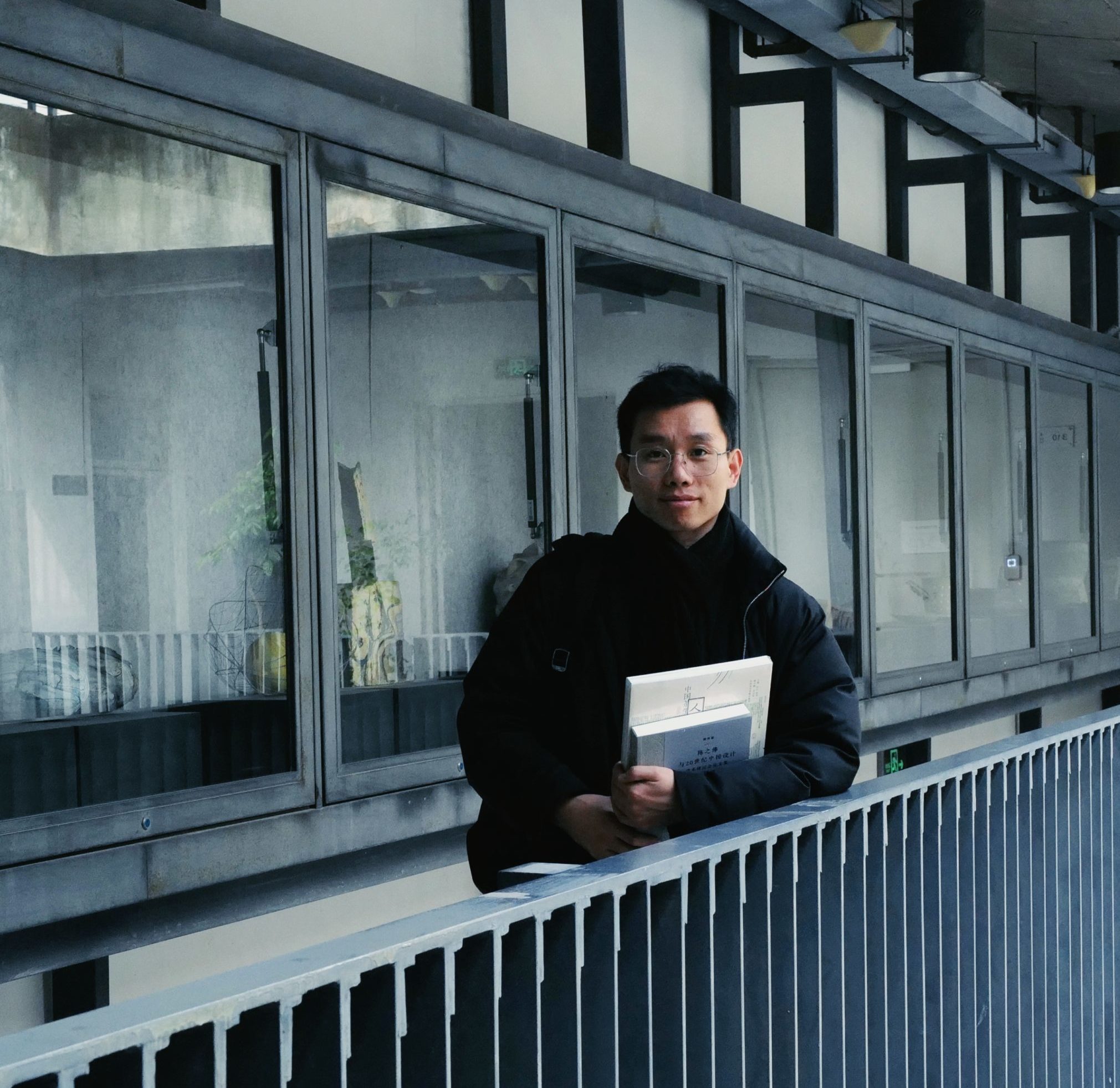
Lyu PinchangModerator for sub-theme “Historical Perspectives” |
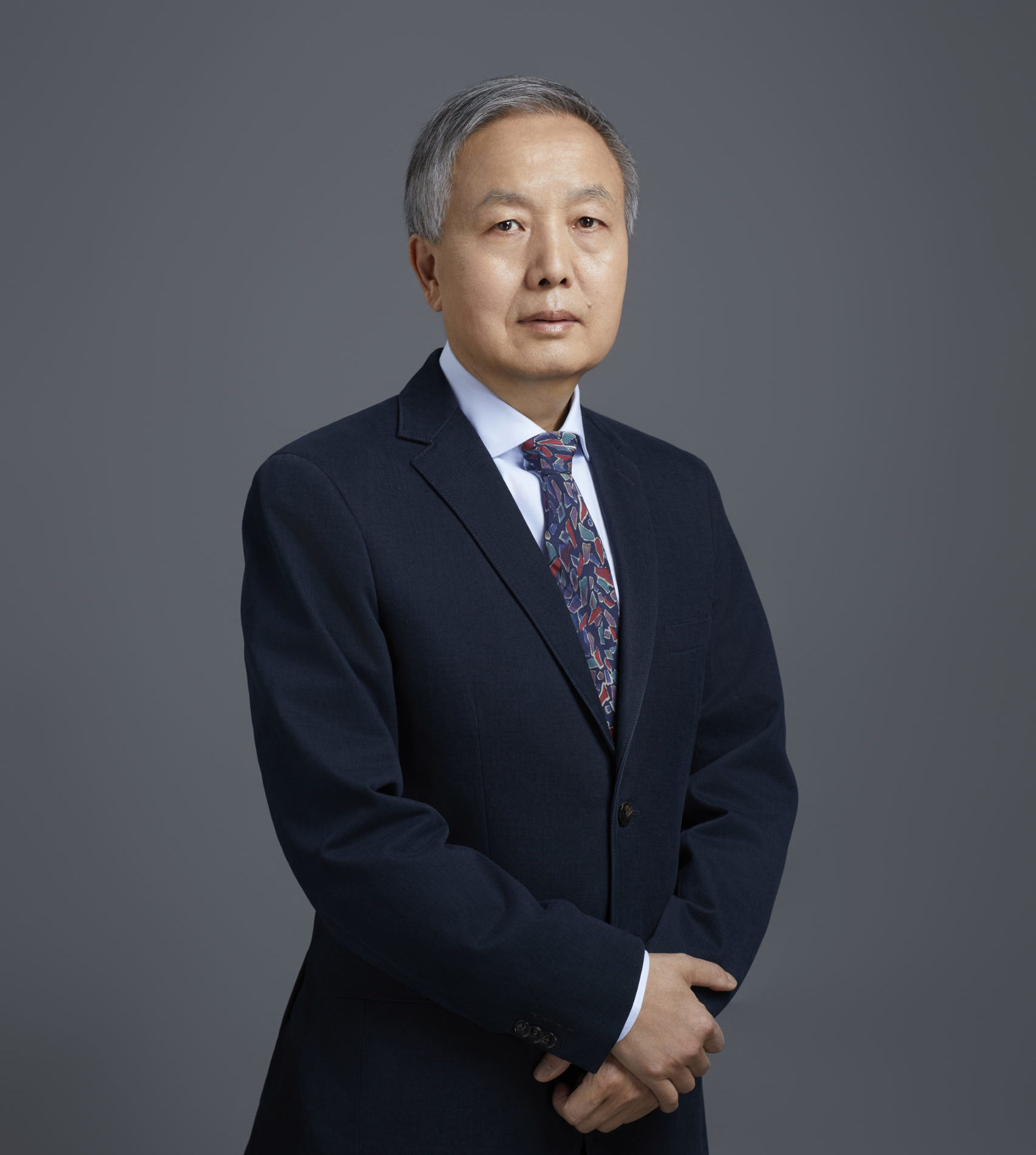
Wang LuxiangModerator for sub-theme “Global Dialogue and Local Practice” |
|
|
|
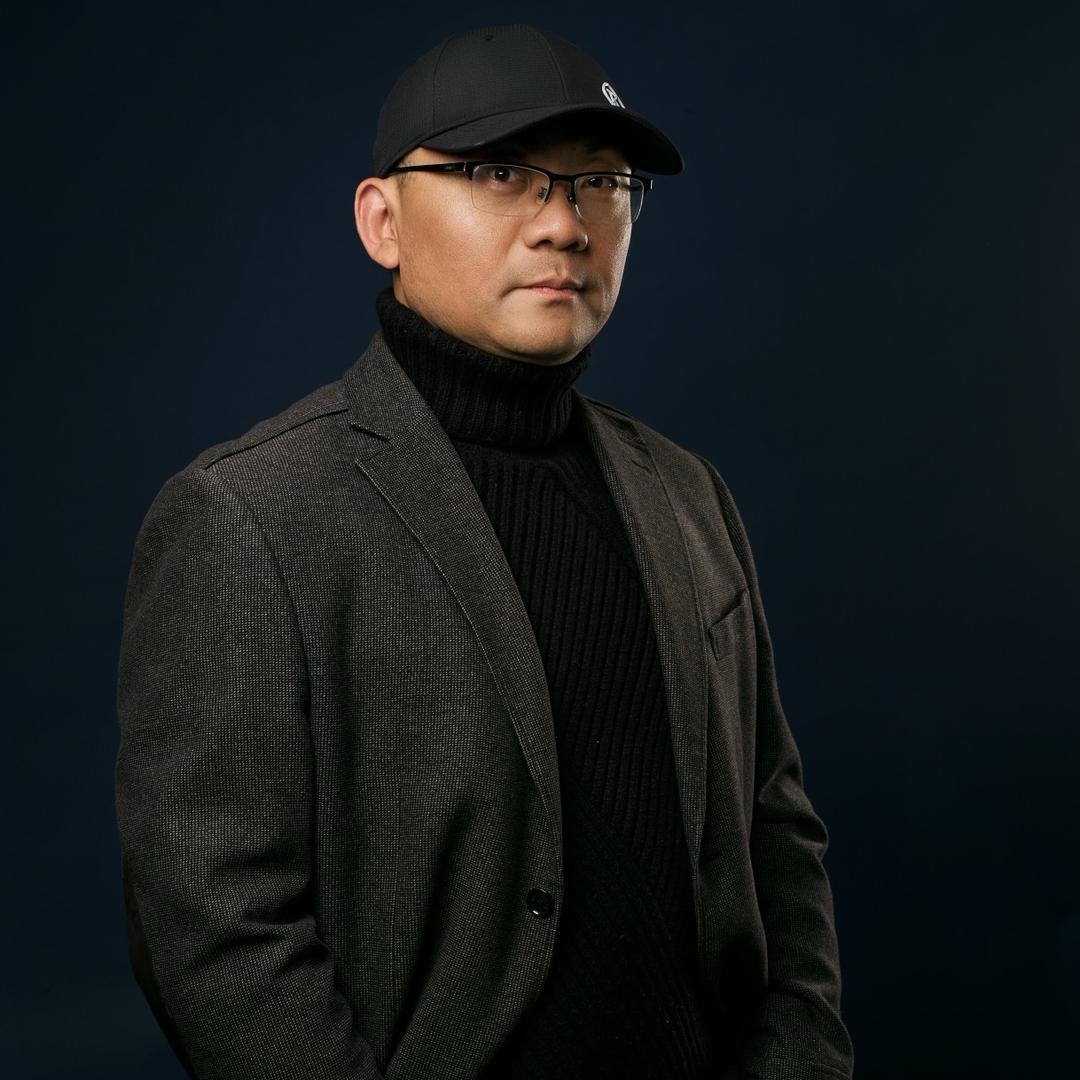
Benjamin EvansModerator for sub-theme “Sustainable Development and Ecological Responsibility” |
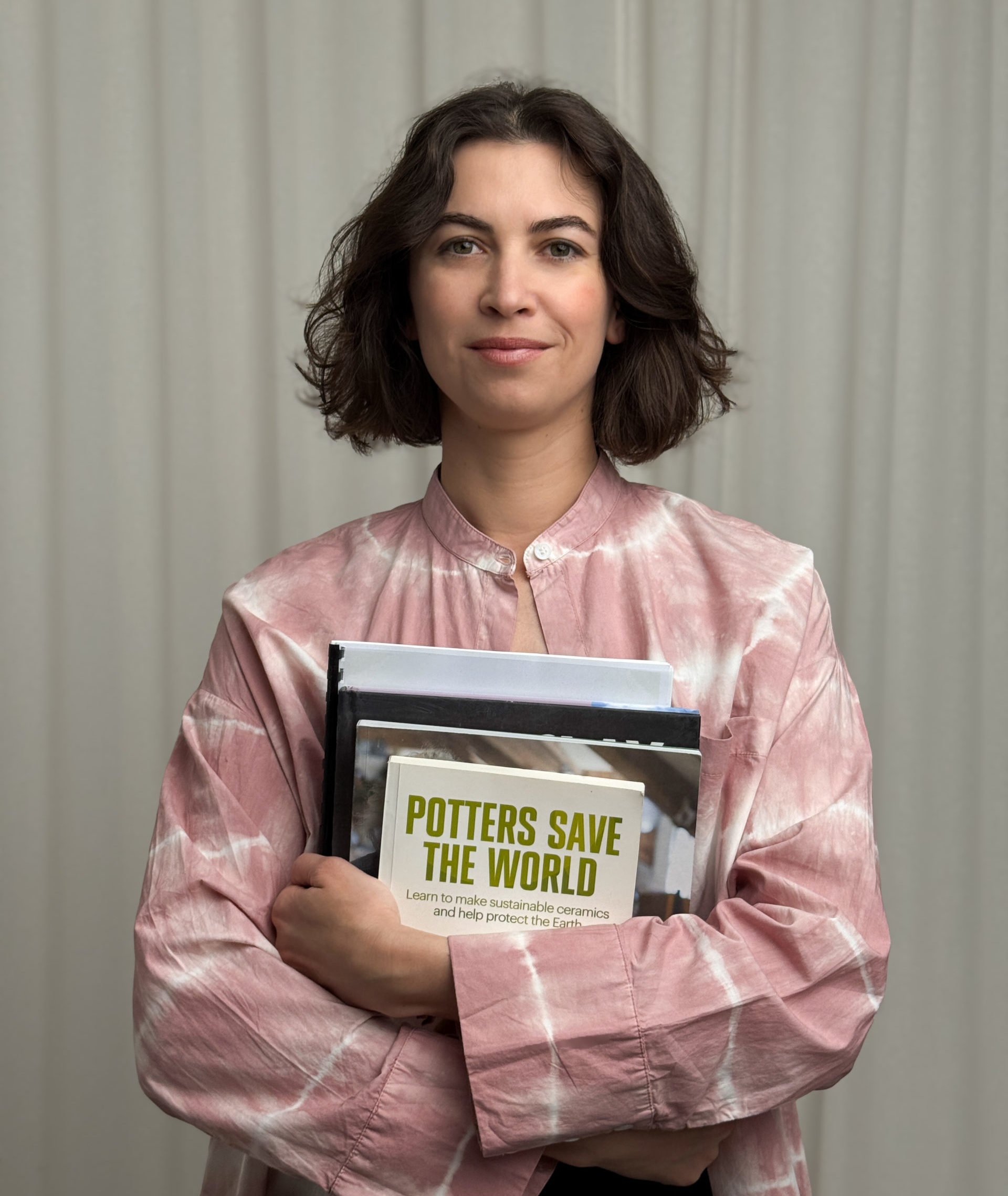
Misun RheemModerator for sub-theme “The Future: Craft, Technology, Science” |
SUB-THEME 1: “Historical Perspectives” |
|
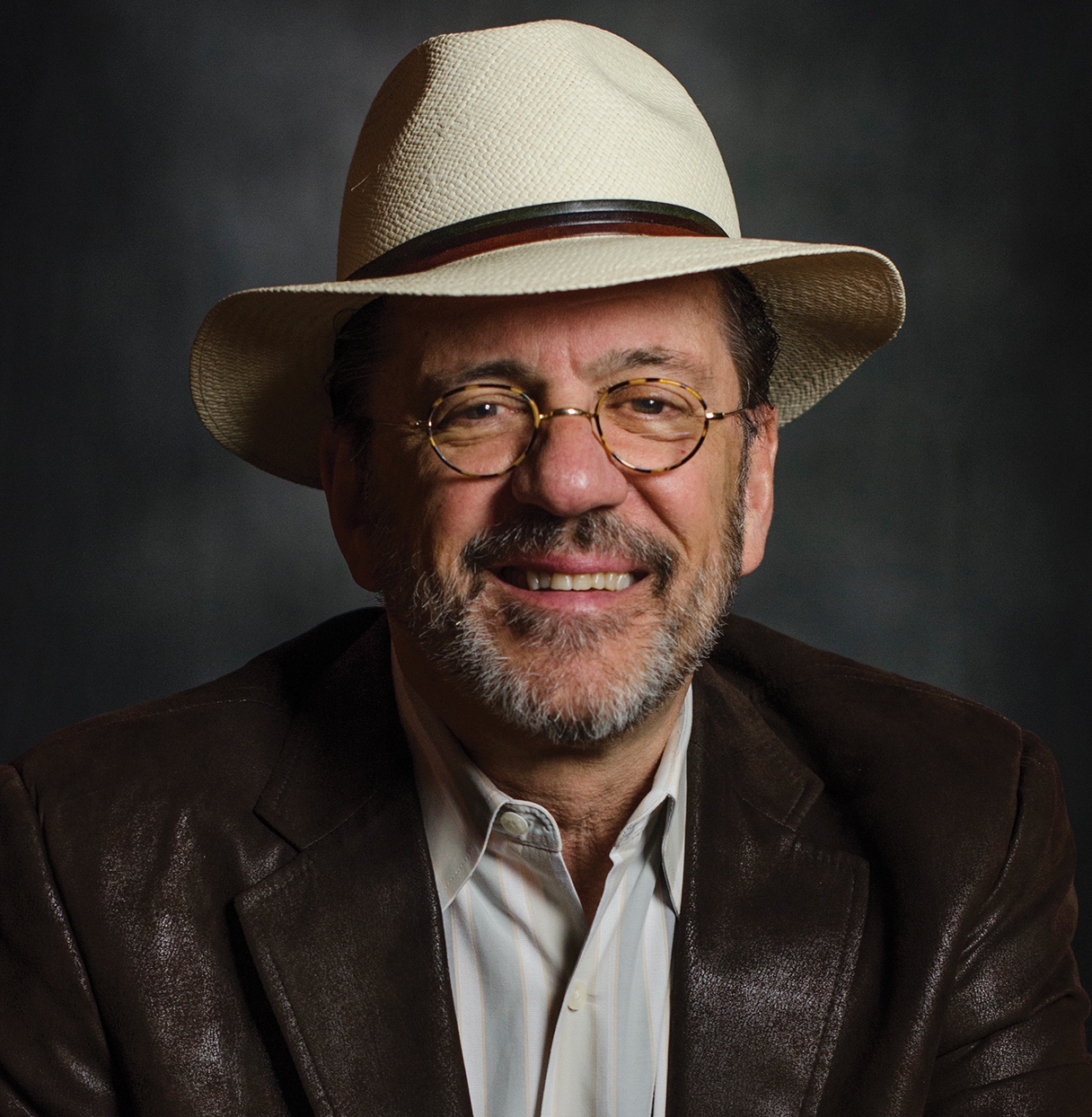 |
Wayne HigbyKeynote Title: “Shadows and Shards” “Shadows and Shards” explores the past history of Jingdezhen in a narrative of historical perspective concluding with the resurgence of Jingdezhen, China’s “City of Porcelain.” Once a mysterious global hub, the city has emerged into a vibrant contemporary ecosystem, transforming the enigma of shadows into a dynamic “City of Possibility.” |
|
|
Fang LiliPresentation Title: “Jingdezhen Model: A New Development Model that Uses Art as an Endogenous Driving Force to Leverage Heritage Resources” This lecture explores the transformation of Jingdezhen into a dynamic creative hub driven by artistic communities and heritage resources. It examines how local craftsmanship, global influences, and policy support interact to form a unique development model, highlighting the broader social, cultural, and economic impacts of art-led urban and rural change. |
|
|
Takeshi YasudaPresentation Title: “Tradition & Jingdezhen” have been a potter for 63 years. |
|
|
Jiang JianxinPresentation Title: “A Study of Yuan Dynasty Official Kilns and Yuan Blue and White Porcelain Based on Archaeological Data and Related Literature” This lecture examines Yuan Dynasty official kilns and the development of blue and white porcelain through archaeological evidence and historical sources. It analyses kiln organisation, production techniques, and output, arguing that official kilns played a central role in the emergence of Yuan blue and white porcelain and influenced early Ming imperial kiln systems. |
|
|
Tetsuya TanakaPresentation Title: “Kogei Meets Contemporary Art: The History of Japanese Ceramics from Postmodernism to Today” This lecture traces the evolution of Japanese ceramics from post-war modernism to contemporary practice, highlighting the shift from functional pottery to sculptural art and back again. It argues that contemporary artists transcend the craft–art divide, redefining ceramics within the global art market through innovation, material exploration, and cross-cultural exchange |
SUB-THEME 2: “Global Dialogue and Local Practice” |
|
|
|
Bai MingKeynote Title: “The Development of Contemporary Chinese Ceramic Art: Perspectives from Domestic and International Exhibitions and Studio Residency Program Models” This lecture explores the development of contemporary ceramic art in China through national and international exhibitions, major ceramic competitions, and international artist residency programmes established across various ceramic production regions. |
|
|
Piet StockmansPresentation Title: “Be Yourself” “What is our mission as creatives? The laws of nature ensure that. Our mission is to make a small |
|
|
Li Chao, Rebecca Harvey, Ranti TjanJoint presentation on Residency Programmes This lecture will present ceramic residency programmes from the perspective of three renowned individuals with extensive experience of residencies: Li Chao, Rebecca Harvey, and Ranti Tjan. |
|
|
Jun WangPresentation Title: “Research on the International Ceramic Artist Residency Program in China” The lecture examines the evolution of international ceramic residencies from Renaissance academies to contemporary global networks, highlighting their role in cultural exchange and artistic mobility. Focusing on China’s rapid development since the 1990s, it argues that residencies drive innovation, global integration, and local transformation, positioning ceramics within an increasingly interconnected and dynamic artistic landscape. |
SUB-THEME 3: “Sustainable Development and Ecological Responsibility” |
|
|
|
Zhang JieKeynote Title: “From History to the Future: Ceramic Heritage Conservation and Cultural Renaissance in Jingdezhen” Jingdezhen, the millennium-old porcelain capital, faced decline as a resource-depleted city. To bridge conservation and sustainable development, the Tsinghua team and local partners revitalized the ancient Taoyangli and modern Taoxichuan districts based on comprehensive research on multi-era ceramic heritage, industry dynamics, and demographics, successfully catalyzing the city’s creative industry growth and cultural renaissance. |
|
|
Xu ChengPresentation Title: “The Narrative of Time – Nirvana of Clay” This lecture traces terracotta’s 7,300-year journey from clay first fired into pottery to its evolution as an architectural material. Through three projects, he shows how industrial production combined with human craft judgment enables clay to embody time, achieve expressive glazing, and form load-bearing structures, arguing that terracotta’s second life lies in architecture. |
|
|
Yuliya MakliukPresentation Title: “Carbon Footprint of Handmade Ceramics” How sustainable is handmade ceramics? This lecture examines the carbon footprint of studio pottery, presenting a life cycle assessment of a ceramic mug and insights into larger-scale production. Through practical examples and artistic work, it highlights how makers can better understand and reduce the environmental impact of their practice. |
|
|
Shashank NimkarPresentation Title: “Recycling Glaze-Fired Ceramic Waste: Doing More and Better with Less” In this session Shashank Nimkar takes you through his journey of discovering landfills of ceramic manufacturing rejects while on a study tour in India. The experience struck him with an epiphany moment that became his journey of turning non-biodegradable waste into a new material that reduces mining of resources by up to 60%. |
|
|
Sarban ChowdhuryPresentation Title: “Sustainability and Circular Economy in Ceramics” The presentation delves into initiatives that create sustainable ceramics through circular production processes and the importance of “Waste to Wealth” in the circular economy. Tracing ceramics from prehistoric invention to contemporary industry, it examines the environmental challenges of ceramic waste through international case studies that transform discarded materials into innovative, resource-conscious forms of production and design. |
SUB-THEME 4: “The Future: Craft, Technology, Science” |
|
|
|
Robert HassanKeynote Title: “Analog Embodiment and Digital Alienation” Robert Hassan’s paper argues that as humanity we exist as Homo faber, as makers. Moreover, we evolved as inherently technological creatures who are also fundamentally analog beings. Through a critique of automation, digitality, AI-generated art, and industrialised alienation, it contends that digital technologies erode embodied knowledge, craftsmanship, creativity, and meaning by subordinating human philosophical “why” of the creative act, to the technological “how” that are based on “efficiency” and the implacable substitution of human agency wherever possible. |
|
|
Huang ChunmaoPresentation Title: “Long Time No See, Chinese Rituals” Long Time No See, Chinese Rituals explores how science and reason become faith, examines our relationship with Chinese tradition, critiques elite-dominated design education in China, reflects on the essence of traditional culture revival, presents my deconstruction of traditional culture, and outlines dimensions of design within contemporary contexts and perspectives today. |
|
|
Robert SukPresentation Title: “The Future of Ceramics Design” Tapio Wirkkala is considered one of the most influential Finnish designers and artists of the 20th century. The lecture explores the early stages of his career, his unique design philosophy, and his remarkable collaboration with the porcelain manufacturer Rosenthal. Particular attention is given to Wirkkala’s organic formal language, his deep understanding of nature, materiality, and craftsmanship, as well as his lasting influence on international post-war design culture. |
|
|
Zhang YuhangPresentation Title: “Artificial Intelligence Empowers Mass Innovation in Ceramics” Ceramics can be an ancient handmade art, and also a unique scenario for the implementation of artificial intelligence.Empowering ceramic design with data, everything can be interpreted through ceramics. When artificial intelligence is combined with ceramic 3D printing, can everyone design and produce their own ceramic works? |
|
|
Jisun Kim, Jonghyun Jun, Minsik LeePresentation Title: “Ceramics in the Age of AI: Beyond the Echo Chamber” AI is reshaping the creative fields, raising new questions for ceramics. While technology reduces friction and automates processes, craft remains grounded in tacit knowledge, imperfection, and material interaction. Ceramics preserves sensory and emotional depth that AI-generated smoothness cannot replicate. Yet this is not guaranteed; it depends on how ceramicists engage with the exploratory nature of their practice. The lecture reflects on this tension and explores possible paths for the field’s continued relevance and survival. |
大会日程
本届大会将推出为期六天的丰富议程,聚焦陶瓷艺术,探索景德镇的独特魅力。
(read more...)Congress Exhibitions
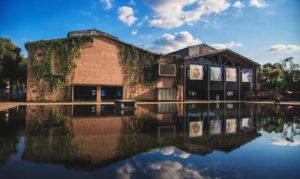
The 2026 Congress featured various IAC members' exhibitions alongside the conferences.
(read more...)Congress Satellite Exhibitions
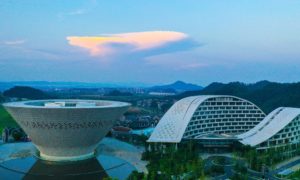
In addition to several IAC Members' Exhibition, the hosts are pleased to present a number of regional and thematic group exhibitions.
(read more...)Frequently Asked Questions (FAQ)
Frequently asked questions to help you prepare your trip to China.
(read more...)