Pre- and Post-Congress tours

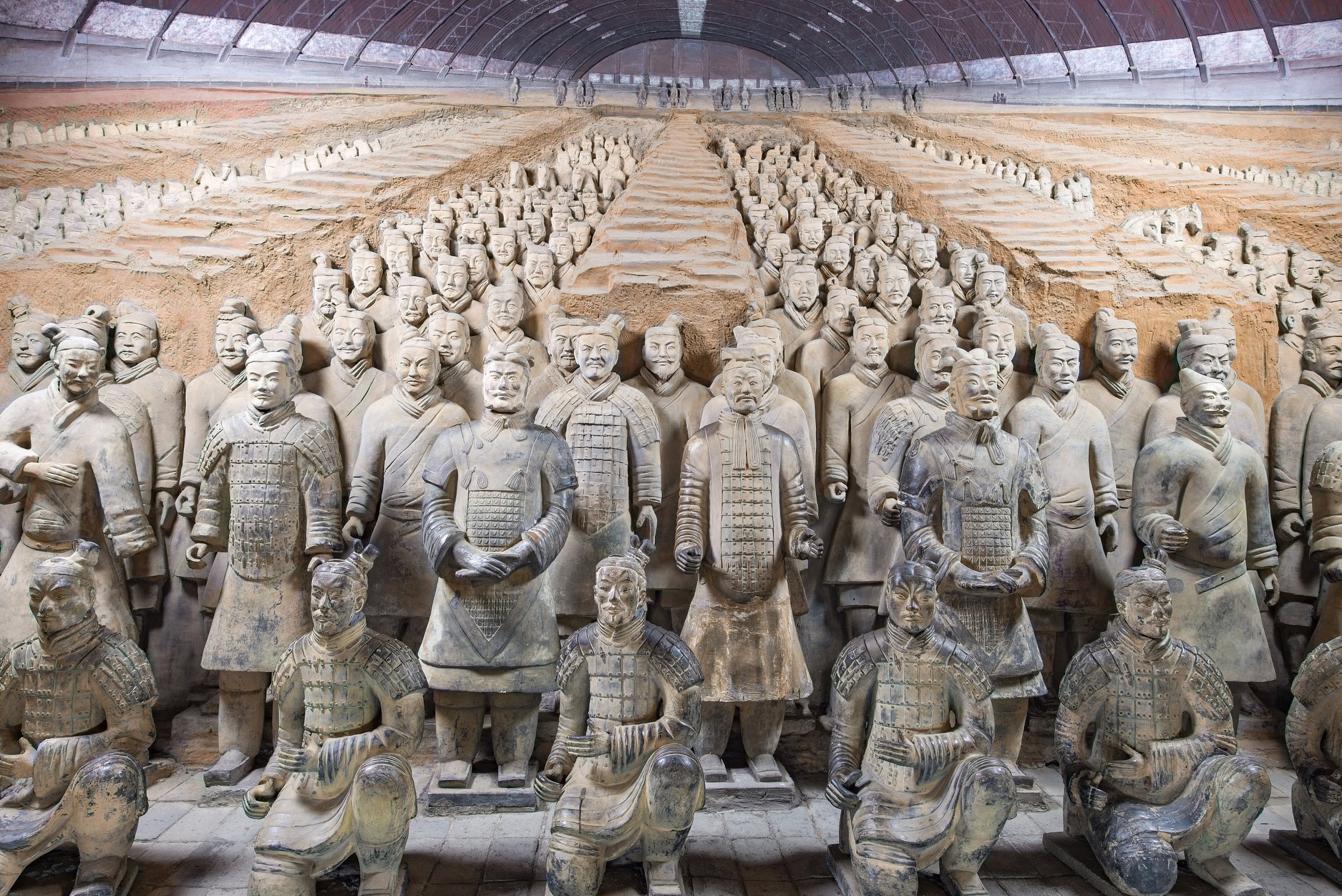
Terracotta Army Museum, Xi’an

Pre- and Post- Congress Tours summary itineraries are listed below. Tours can be booked directly on the registration platform, CLICK HERE to register.

For a more detailed description of the Tours, please click the link: 

> DETAILED PRE- AND POST-CONGRESS TOUR < 


Pre-Congress Tours

The 2026 Congress Host offers three different tours of various lengths ahead of the Congress, exploring different regions and important cultural sites.

  • 5-DAY ITINERARY: Beijing, Shanghai and Yixing – 1100 €
  • 5-DAY ITINERARY: Beijing, Longquan and Dehua – 850 €
  • 8-DAY ITINERARY: Beijing, Xi’an and Jingdezhen – 1450 €

*Please note that the list of activities is indicative, the visits mentioned and the duration of stay in each city may vary depending on circumstances*


5-Day Tour from Beijing to Shanghai and Yixing – 1100 €

Date and Location Activity
22 June, Beijing ARRIVAL :
Pick-up at Beijing Capital International Airport/Daxing International Airport and transfer to the hotel.
Lunch is included in the Tour.
22 June to 27 June

Beijing (22 – 23 June): 

  • 798 Art District – one of the first cultural and creative industry clusters in Beijing. The district is home to over 400 cultural organisations, including galleries, art centres, and design institutions. 
  • Beijing Guozhong Ceramic Art Museum: Located in Ping’an Mansion in Beijing, Guozhong Ceramic Art Museum is the capital’s first professional ceramic art museum. 
  • The Palace Museum: It was the imperial palace of 24 Ming and Qing emperors. Today, it is listed as a UNESCO World Heritage Site and houses a vast collection of ceramics.
  • National Museum of China: Visit highlights are the Ceramic Gallery in the Wuying Palace; the Chenghua Doucai Chicken Cup, and the Yuan Blue and White Plum Vase with Sea Water and White Dragon Patterns.

Shanghai (24 – 25 June): 

  • Shanghai Museum: The museum has a collection of more than 1.02 million cultural relics, including more than 145,000 precious cultural relics. 
  • The Tianzifang neighbourhood: Repurposed factory spaces have been transformed into artistic studios. A visit to the Ceramic Lifestyle Aesthetics studio will allow visitors to meet and exchange with young artists. 

Yixing (25 – 26 June):

  • Ancient South Street: Visit of the birthplace of Yixing purple clay art and the cradle for purple clay masters. From the late Ming Dynasty to the 1960s, it served as the core hub for the production and sales of purple clay ware. 
  • Yixing Ceramic Museum: This museum has an unparalleled collection of rare ceramic treasures, spanning from the Neolithic Age to the present. 
  • Qianshu Dragon Kiln: First built during the Jiajing reign of the Ming Dynasty, it is the only ancient dragon kiln still in continuous use in China. 
  • Pottery No.2 Factory: Formerly known as Yixing Purple Sand Craft No.2 Factory, old factory buildings have been transformed into a vibrant block, realizing the continuation and regeneration of ceramic culture. 
  • Zisha Jiujun / Tao Pi Wharf: It is the first initiative of its kind in the zisha industry: a voluntary artists’ group convened by IAC member Shi Xiaoming, bringing together nine Jiangsu Provincial Masters of Arts and Crafts and Ceramic Art. 
  • Tao Pi Station: From a trading market in the 1920s and 1930s to a ceramic wharf in the 1950s, Tao Pi Station has a century-long history and become an icon of Dingshu. Visitors can tour Tao Pi Wharf and exchange ideas with IAC members.
27 June Trip from Yixing to Jingdezhen included in the Tour. Arrival in Jingdezhen around 11.30am


5-Day Tour from Beijing to Longquan and Dehua – 850 €

Date and Location Activity
22 June, Beijing

ARRIVAL :
Pick-up at Beijing Capital International Airport/Daxing International Airport and transfer to the hotel.
Lunch is included in the Tour.

22 June to 27 June (morning)

Beijing (22 – 23 June): 

  • Beijing Guozhong Ceramic Art Museum: Located in Ping’an Mansion in Beijing, Guozhong Ceramic Art Museum is the capital’s first professional ceramic art museum. 
  • The Palace Museum: It was the imperial palace of 24 Ming and Qing emperors. Today, it is listed as a UNESCO World Heritage Site and houses a vast collection of ceramics.
  • National Museum of China: Visit highlights are the Ceramic Gallery in the Wuying Palace; the Chenghua Doucai Chicken Cup, and the Yuan Blue and White Plum Vase with Sea Water and White Dragon Patterns.

 Longquan (25 June)

  • Longquan Celadon Museum: Longquan City Museum is a thematic museum of celadon artistic craftsmanship. Highlights of the visit include the Song Dynasty Longquan Kiln Plum Green Glazed Vase and the Yuan Dynasty Celadon Ewer.

Dehua (25 – 26 June)

  • Dehua Ceramic Museum: Highlights of the visit include the Ming Dynasty He Chaozong-style White Porcelain Guanyin and the Qing Dynasty White Porcelain Eight Immortals Ornaments.
  • Dehua New Talents Park: As an entrepreneurship and incubation platform, the park brings together 67 ceramic talents from all over China, providing creation, exchange and exhibition spaces for young artists.
27 June  Trip from Dehua to Jingdezhen, arrival in Jingdezhen around 5pm


8-Day Tour from Beijing to Xi’an and Jingdezhen

Date and Location Activity
20 June, Beijing

ARRIVAL :
Pick-up at Beijing Capital International Airport/Daxing International Airport and transfer to the hotel.
Lunch is included in the Tour.

20 June to 27 June

Beijing (20 – 21 June): 

  • 798 Art District: one of the first cultural and creative industry clusters in Beijing. The district is home to over 400 cultural organisations, including galleries, art centres, and design institutions. 
  • Beijing Guozhong Ceramic Art Museum: Guozhong Ceramic Art Museum is the capital’s first professional ceramic art museum. 
  • The Palace Museum: It was the imperial palace of 24 Ming and Qing emperors. Today, it is listed as a UNESCO World Heritage Site and houses a vast collection of ceramics.
  • National Museum of China: Visit highlights include the Ceramic Gallery in the Wuying Palace, the Chenghua Doucai Chicken Cup and the Yuan Blue and White Plum Vase with Sea Water and White Dragon Patterns.

Xi’an (23 – 25 June)

  • Meng Shufeng Ceramic Research Studio: Visit with the studio tutor of the comprehensive exhibition hall and ceramic museum. 
  • Terracotta Army Museum: This is a burial artefact from Qin Shi Huang’s mausoleum. The “Eighth Wonder of the World” is on the UNESCO World Heritage List. 
  • Huaqing Pool: Famous for its Tang Dynasty imperial hot spring culture, historical allusions and natural scenery, the core attractions include the Tang Dynasty Imperial Hot Spring Ruins and the Lishan Scenic Area.
  • Xi’an Museum: The museum focuses on the development history of the ancient capital of thirteen dynasties. Highlights of the visit include: the Tri-Color Glazed Flying Horse and Tang Dynasty painted terracotta warriors.
  • Xi’an Academy of Fine Arts: the highest art institution in northwest China. Exploration of the way ceramics evolved from traditional craftsmanship to contemporary artistic language.

Jingdezhen (26 – 27 June)

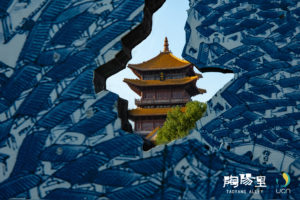
  • Taoyang Alley: It is the first archaeology site museum in China focusing on Ming and Qing imperial kiln ceramics with “boundaryless and all-weather” features. 
  • Yishan Intelligent Workshop: Visit of the modern ceramic production line and understanding the processes of intelligent kilns and standardized mold making.
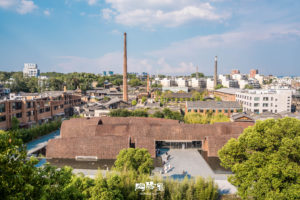
  • Taoxichuan Ceramic Art Avenue: Visit of the night market ceramic stalls. Exchanges with young ceramic artists about the design inspiration of original works and visit of the “Red House Ceramic Studio” to watch the night creation scene.
  • Jingdezhen Vocational University of Art: Watch students’ creations, communicate with teachers about the differences between Chinese and Western ceramic art education, and ask students about the ceramic innovation ideas of the younger generation. 
  • Jingdezhen Sculpture Porcelain Factory: The factory mainly engages in ceramic sculpture, covering decorative porcelain, garden porcelain and other categories, including more than 400 arts and crafts masters. 
27 June, Jingdezhen  Final visit in Jingdezhen ends around 3pm, in time to pre-register to the Congress


Post-Congress Tours

The 2026 Congress Host offers three different tours of various lengths after the Congress, exploring different regions and important cultural sites.

  • 4-DAY ITINERARY: Jingdezhen, Longquan and Dehua – 600 €
  • 5-DAY ITINERARY: Jingdezhen, Shanghai and Yixing – 850 €
  • 7-DAY ITINERARY: Jingdezhen, Xi’an and Beijing – 1450 €

*Please note that the list of activities is indicative, the visits mentioned and the duration of stay in each city may vary depending on circumstances*

4-Day Tour from Jingdezhen to Longquan and Dehua – 600 €

Date and Location Activity
3 July

ARRIVAL :
If applicable, pick-up at Jingdezhen High-speed Railway Station/Airport and transfer to the hotel
Lunch is included in the Tour.

3 July to 6 July

Jingdezhen (3 July)

  • Yikong Innovation and Entrepreneurship Platform: Gathering place for young “Jingpiao” makers in Taoxichuan. Exchanges are planned with makers to listen to their creation and entrepreneurship stories.

Longquan (4 – 5 July)

  • Dayao Longquan Kiln National Archaeological Site Park: A total of 127 celadon kiln sites dating from the Song Dynasty to the Ming Dynasty are preserved in this historical site. It showcases Chinese celadon culture and the history of Maritime Silk Road trade.
  • Longquan Celadon Museum: Longquan City Museum is a thematic museum of celadon artistic craftsmanship. Highlights of the visit include the Song Dynasty Longquan Kiln Plum Green Glazed Vase and the Yuan Dynasty Celadon Ewer.
  • Longquan Celadon Master Park: Longquan Celadon Master Park brings together the top masters of Longquan celadon, and serves as a center for celadon culture research, international exchange, and ceramic art talent training.

Dehua (6 July)

  • Dehua Ceramic Museum: Highlights of the visit include the Ming Dynasty He Chaozong-style White Porcelain Guanyin and the Qing Dynasty White Porcelain Eight Immortals Ornaments.
  • Dehua New Talents Park: As an entrepreneurship and incubation platform, the park brings together 67 ceramic talents from all over China, providing creation, exchange and exhibition spaces for young artists.
6 July, Dehua

End of Tour (last meal included, ending around 5pm)


5-Day Tour from Jingdezhen to Shanghai and Yixing – 850 €

Date and Location Activity
3 July, Jingdezhen

ARRIVAL :

If applicable, pick-up at Jingdezhen High-speed Railway Station/Airport and transfer to the hotel
Lunch is included in the Tour.

3 July to 7 July

Jingdezhen (3 – 4 July)

  • Yikong Innovation and Entrepreneurship Platform: Gathering place for young “Jingpiao” makers in Taoxichuan. Exchanges are planned with makers to listen to their creation and entrepreneurship stories.
  • Taoyang Alley: It is the first archaeology site museum in China focusing on Ming and Qing imperial kiln ceramics with “boundaryless and all-weather” features.

Shanghai (5 July)

  • Shanghai Museum: The cultural relic collection covers 33 categories, making it one of the museums with the most complete collection of ancient Chinese art categories in the world.
  • M50 Creative Park: By integrating the real economy with the artistic atmosphere, it has gradually formed China’s first contemporary art cluster and one of the most active cultural and art parks in Shanghai and China.

Yixing (6 – 7 July)

  • Qianshu Dragon Kiln: First built during the Jiajing reign of the Ming Dynasty, it is the only ancient dragon kiln still in continuous use in China. With a total length of 43.4 meters, it was constructed along the mountain slope, resembling a reclining dragon.
  • Ancient South Street: Visit of the birthplace of Yixing purple clay art and the cradle for purple clay masters. From the late Ming Dynasty to the 1960s, it served as the core hub for the production and sales of purple clay ware.
  • Yixing Ceramic Museum: This museum has an unparalleled collection of rare ceramic treasures, spanning from the Neolithic Age to the present. The five famous ceramics (purple clay, Jun pottery, celadon, fine pottery, and art pottery) in the exhibition halls are a must-see.
  • Pottery No.2 Factory: Formerly known as Yixing Purple Sand Craft No.2 Factory, old factory buildings have been transformed into a vibrant block, realizing the continuation and regeneration of ceramic culture. 
  • Fan Family Teapot Manor / Longde Hall): Exchanges and discussions about contemporary purple clay art with IAC members.
7 July, Yixing End of Tour 


7-Day Tour from Jingdezhen to Xi’an and Beijing – 1450 €

Date and Location Activity
3 July, Jingdezhen

ARRIVAL :
If applicable, pick-up at Jingdezhen High-speed Railway Station/Airport and transfer to the hotel.
Lunch is included in the Tour.

3 July to 9 July (morning)

Jingdezhen (3 – 5 July)

  • Yikong Innovation and Entrepreneurship Platform: Gathering place for young “Jingpiao” makers in Taoxichuan. Exchanges are planned with makers to listen to their creation and entrepreneurship stories.
  • Ancient Kiln Folk Custom Expo Area:Visit of ruins of ancient kilns from past dynasties (such as the Song Dynasty Long Kiln and the Ming Dynasty Gourd Kiln).
  • Jingdezhen Vocational University of Art: Watch students’ creations, communicate with teachers about the differences between Chinese and Western ceramic art education, and ask students about the ceramic innovation ideas of the younger generation. 
  • Yishan Intelligent Workshop: Visit of the modern ceramic production line, understanding the processes of intelligent kilns and standardized mold making.

Xi’an (6 – 7 July)

  • Xi’an Academy of Fine Arts: the highest art institution in northwest China. Exploration of the way ceramics evolved from traditional craftsmanship to contemporary artistic language.
  • Terracotta Army Museum: This is a burial artefact from Qin Shi Huang’s mausoleum. The “Eighth Wonder of the World” is on the UNESCO World Heritage List. 
  • Huaqing Pool: Famous for its Tang Dynasty imperial hot spring culture, historical allusions and natural scenery, the core attractions include the Tang Dynasty Imperial Hot Spring Ruins, the Xi’an Incident Site, and the Lishan Scenic Area.
  • Xi’an Museum: The museum focuses on the development history of the ancient capital of thirteen dynasties, especially the urban life scene during the Sui and Tang dynasties. 

Beijing (8 – 9 July)

  • 798 Art District: one of the first cultural and creative industry clusters in Beijing. The district is home to over 400 cultural organisations, including galleries, art centres, and design institutions. 
  • Beijing Guozhong Ceramic Art Museum: Located in Ping’an Mansion in Beijing, Guozhong Ceramic Art Museum is the capital’s first professional ceramic art museum. 
  • The Palace Museum: It was the imperial palace of 24 Ming and Qing emperors. Today, it is listed as a UNESCO World Heritage Site and houses a vast collection of ceramics.
  • National Museum of China: Visit highlights are the Ceramic Gallery in the Wuying Palace; the Chenghua Doucai Chicken Cup, and the Yuan Blue and White Plum Vase with Sea Water and White Dragon Patterns.
9 July after lunch, Beijing End of Tour (lunch included, ending around 1.30pm)


Registration fees & Conditions

Information on the registration categories.

(read more...)

Programme

The Congress proposes a rich 6-day programme reflecting on ceramics and exploring the wonders of Jingdezhen.

(read more...)

Theme

The theme of the 2026 Congress is "Inheritance and Innovation".

(read more...)