Member Spotlight Presentations
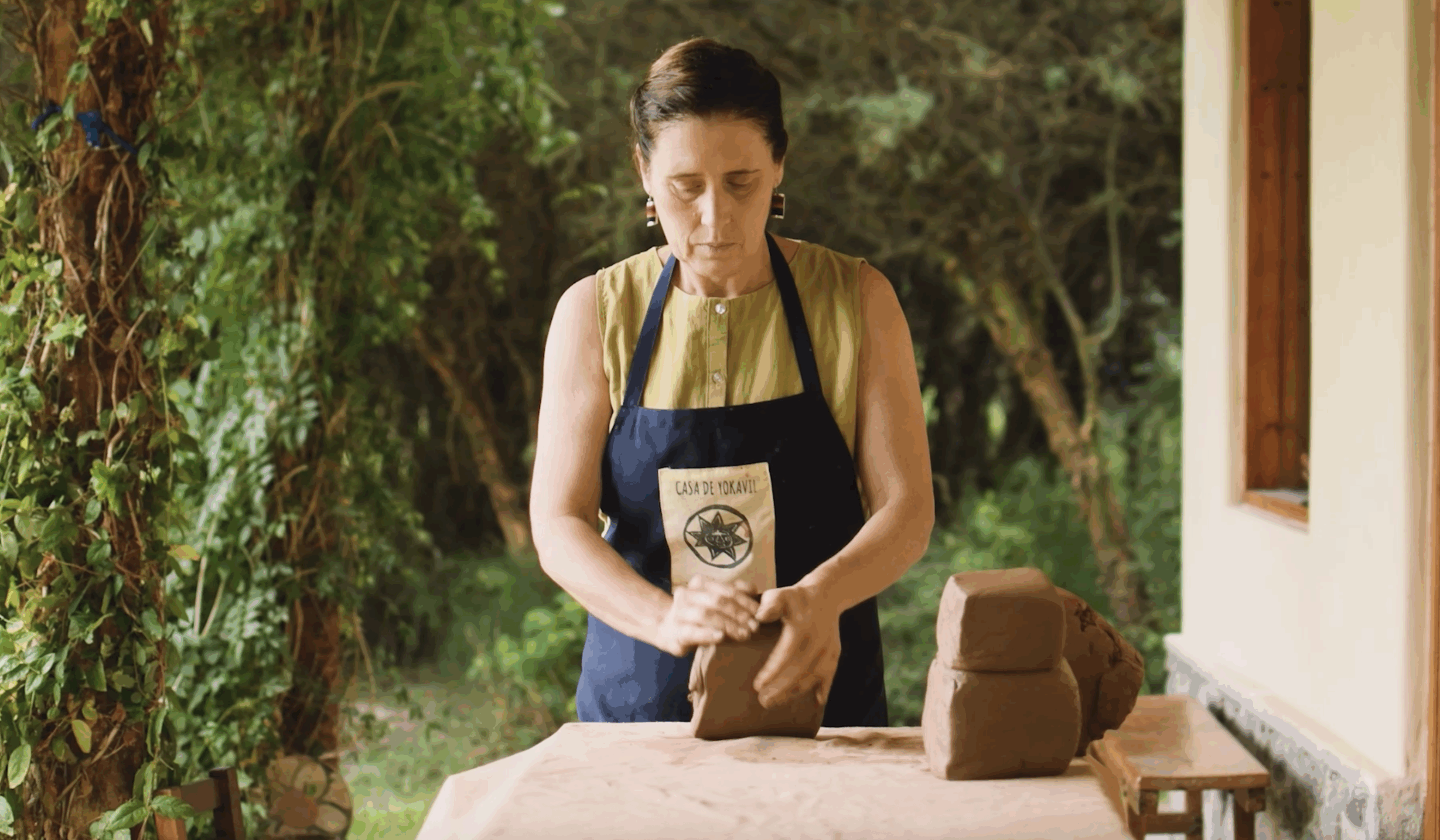 Karina Garrett in her home studio in Argentina |
Member Spotlights
Jingdezhen, often called the “porcelain capital” of China, has for centuries embodied a unique convergence of craftsmanship, material knowledge, and cultural continuity. As such, Jingdezhen stands today as a powerful source of inspiration for contemporary ceramic artists worldwide—especially those exploring process-based, reflective, and experimental approaches in their work. In many ways, it anticipates the very spirit of the Spotlight video format: a space where making becomes thinking, and material becomes language. Spotlights are short, five-minute videos presenting artists who work with clay and their personal approach to this medium. Together, they form a mosaic of perspectives that reveal clay not only as a material, but also as a means of thinking, dialogue, and artistic expression. It becomes a medium through which artists reflect on time, memory, and the relationship between humans and natural processes. Every intervention into its form carries traces of decision, intuition, and chance, revealing the creative process itself as a form of thinking. In this context, ceramics emerges as an open language capable of expressing both personal and universal themes. Spotlights thus do not only present individual artists, but also create a space for shared understanding of what it means to work with clay today. Themes for the 2026 Congress:
|
|
|
* Please note that the information on this page is subject to modifications and updates. |
|
 |
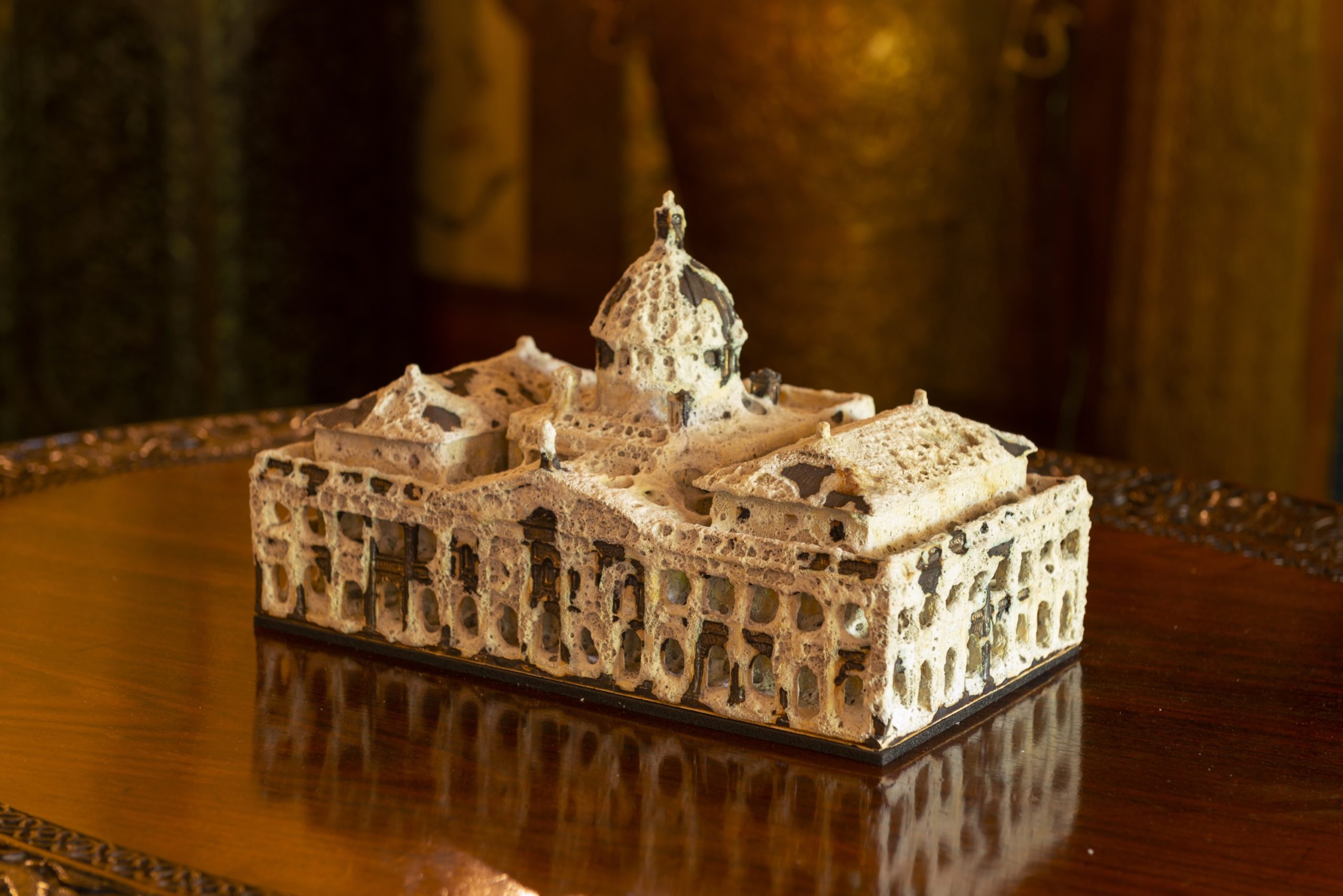 |
Atelier Terre Maison Giscard(France) MANIFESTO: IDEAS AND SOCIAL CHANGE Title: “Heritage and Innovation” The Atelier Terre is developing a community outreach project inspired by the brick-based architecture of Toulouse. The project was initiated when the Atelier relocated to a heritage building “Manufacture Maison Giscard”. This factory from the 1800’s built on a clay quarry, manufactured clay architectural ornaments. The site harbors a rich collection of ornaments and also innovative molds permitting economical reproduction of these motives from the past. The Atelier set about discovering the imprint of our predecessors on the factory ; press molds were made of the ornaments like an archaeological inventory, creating an alphabet of the site. The “letters” are then recomposed in collective works with a contemporary interpretation. The approach allows dynamic conception of our heritage by reimagining the original purpose of the ornaments to become a support for creation. The Atelier is using this process to initiate the public to clay, to increase heritage awareness and strengthen ties. |
Kay Aplin(UK) SHAPE AND STORY Title: “Interbeing” From the perspective of her personal practice of architectural ceramics, Kay Aplin presents how, over the course of 3 decades, her public art works have responded to place thematically, utilising the tile as a basic form. Expanding upon this, she will trace her own journey from the starting point of an education in Public Art and Design to a fine art practice making tile-based installations and the creation of her gesamtkunstwerk, The Ceramic House, a living showcase of her architectural ceramics practice. In each scenario, the work is site-specific and ‘place’, in local and global contexts, is key. |
|
|
 |
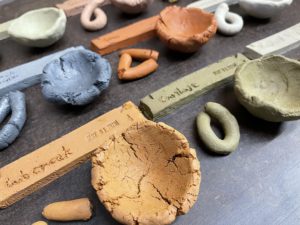
Jane Bamford(Australia) TRADITION, CHANGE, NEW TECHNOLOGIES Title: “Tasmania’s Spotted Handfish” In 2018 Jane Bamford began a commission with CSIRO, Australia to design and make ceramic artificial spawning habitat (ASH) for the spotted handfish (Brachionichthys hirsutus). These ceramic ASH are SCUBA deployed by CSIRO divers into ‘ASH fields’ to support this critically endangered marine species. Creating ceramic ASH is a significant ongoing project which intersects her ceramic practice with current scientific research and practice. In September 2018 the first wild spawning of spotted handfish around ceramic ASH was recorded. |
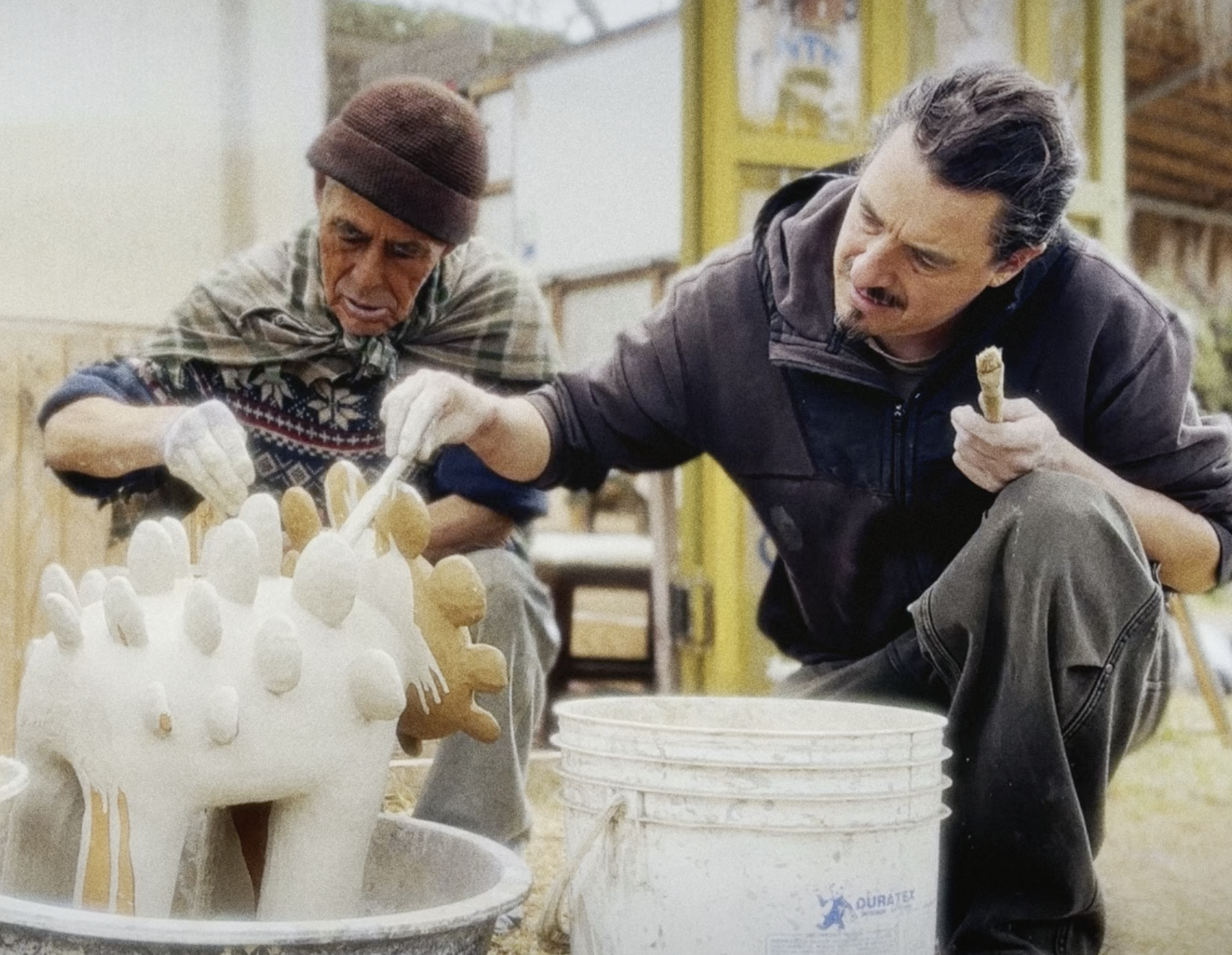
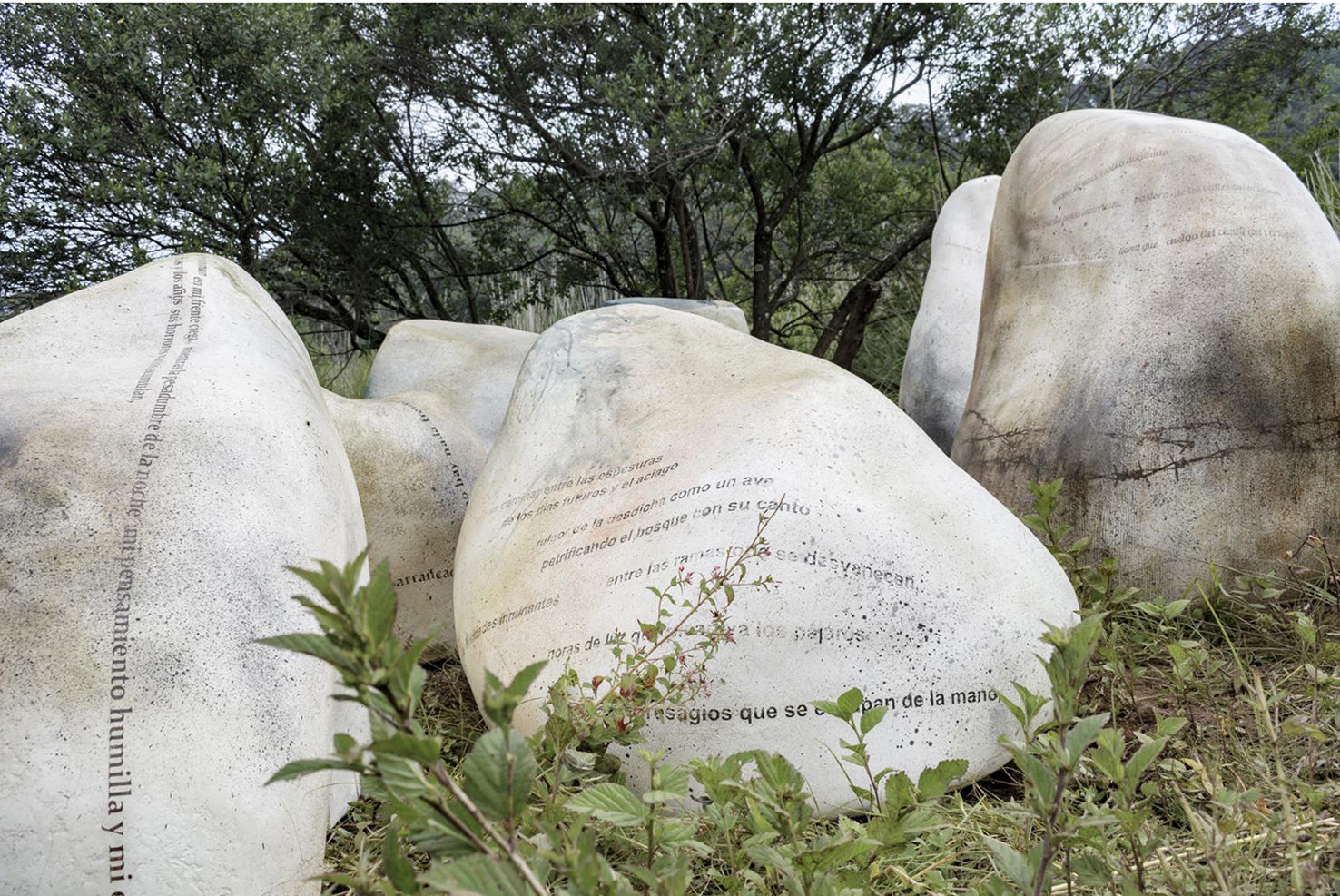
Tomás Carpio(Ecuador) DIALOGUE WITH FIRE Title: “On the way to La Victoria” Tomás Carpio explores traditional ceramics in Ecuador and the lives of those striving to survive amid ongoing changes. Departing from conventional formats and linear narratives, it aims to create a poetic and sensory experience. The project will take place in Jatumpamba, Las Nieves, and Cera, in the Andean region of Azuay and Loja, where traditional ceramic practices are at risk of disappearing. It establishes close contact with the few hands and women keeping this tradition alive, showing the relationship between clay, manual gestures, food, and the local culture in crisis. The short prioritizes silence and contemplation, using a visual language perceived almost as sound, without a linear storyline, capturing reality in an intimate and sensory way. Its core elements are material, artisanal practice, and the connection with the community and its cultural memory. |
 |
|
Roxana Cervantes Barajas(Mexico) SHAPE AND STORY Title: “Terra Sigillata: La piel y el corazón de mi proceso escultórico” (Terra Sigillata: The skin and heart of my sculptural process) I am interested in showing how ceramics represent, for me, a medium of expression that materializes personal narrative concerns. |
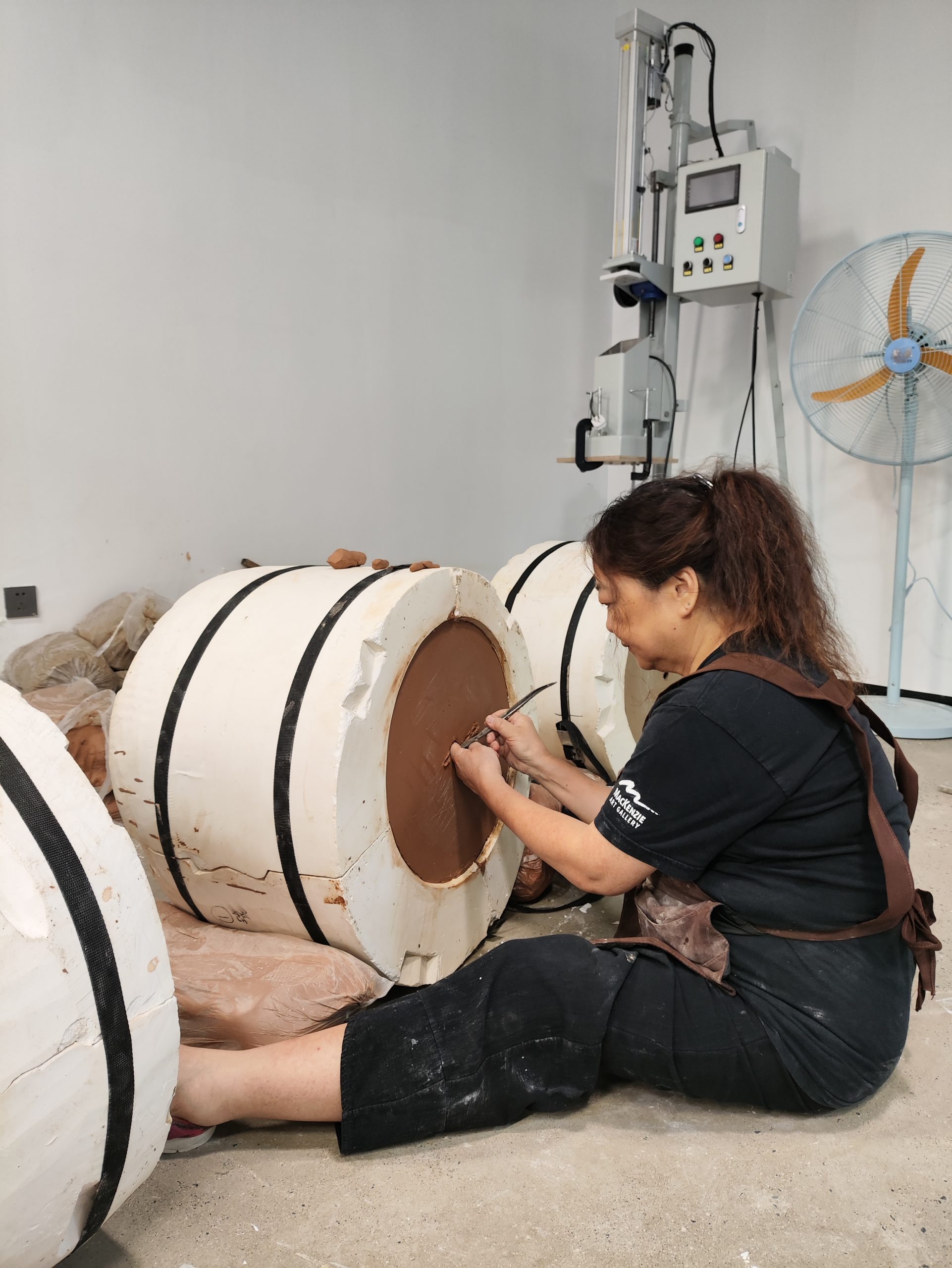
Srinia Chowdhury(India) MANIFESTO: IDEAS AND SOCIAL CHANGE Title: “Making the Invisible Visible: Clay, Identity, and Social Reflection” In my studio, clay behaves like the human body — it remembers every touch, pressure, and fracture. I use this memory as a language to explore identity, belonging, and resilience. Each mark, incision, and layer of clay records emotion, turning the surface into an intimate map of lived experience. My work draws from Indian mythology and traditional sculptural vocabularies, yet it unfolds in a contemporary dialogue between control and surrender, fragility and strength. Fire becomes a collaborator: unpredictable, transformative, and honest. I see art as a tool to contemplate and question the social realities we live within — to turn silent experiences into visible forms. This presentation reflects on my studio practice and recent residency in Jingdezhen, where material heritage met innovation in my process. Through film and stills from the studio, I share how clay itself becomes a manifesto — where transformation is both material and human. |
 |
 |
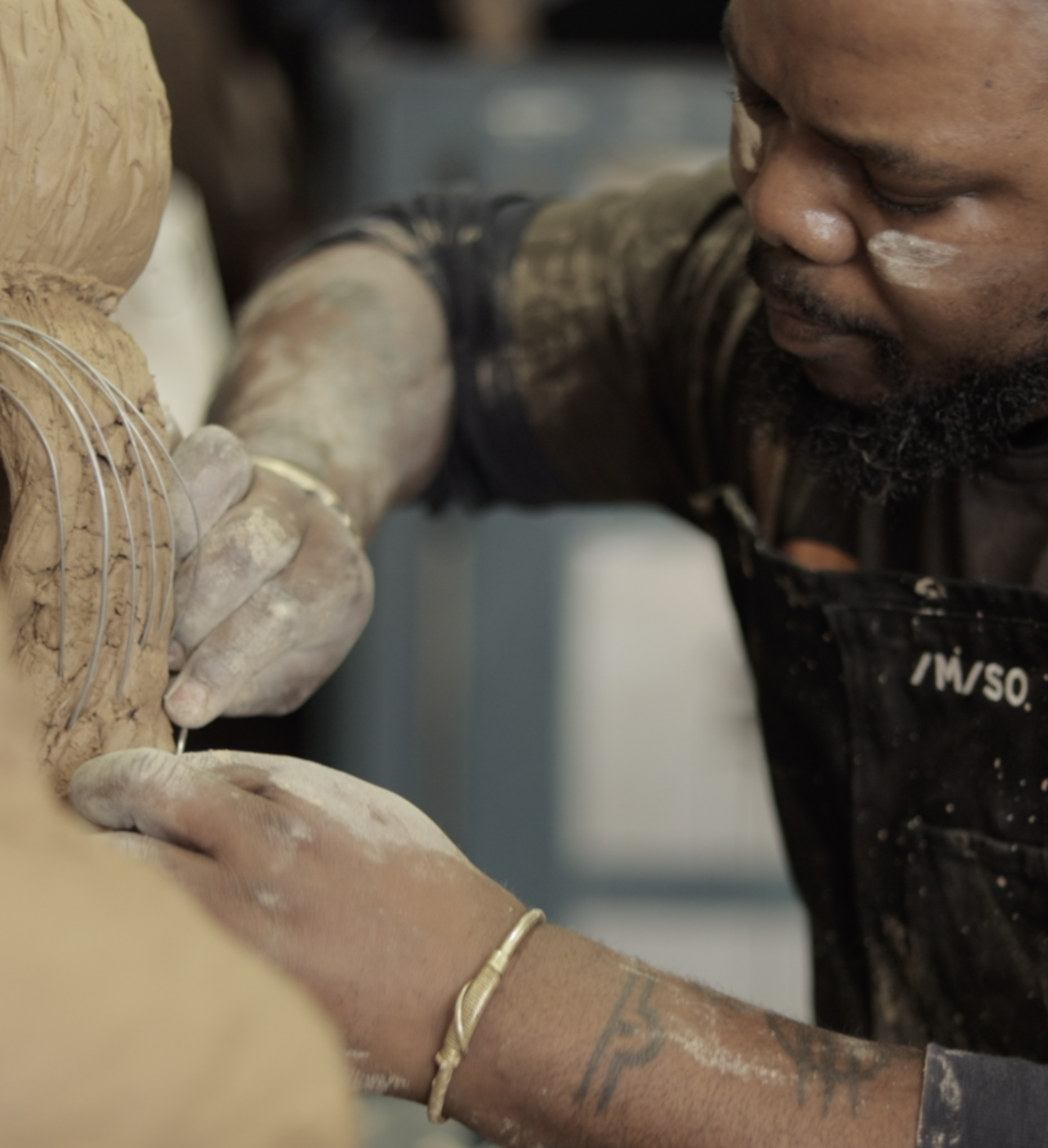
Andile Dyalvane(South Africa) DIALOGUE WITH FIRE Title: “iNGQWEji (Bird’s Nest)” Inqwegi (Nest) is a communal pilgrimage inspired by a 2021 journey to North West, South Africa. Andile Dyalvane’s ‘Inqwegi’ study explores the themes of migration, community, and the natural world. The pilgrimage, initiated by Mkhulu Sisonke Papu and Dr Nkosenathi Koela, paid homage to Baba Sanusi Credo Mutwa and honoured Nkuthazo Dyalvane’s ancestors. The experience of communal cohesion and the natural world sparked creative germination. Dyalvane’s work captures the essence of the journey, showcasing the rhythms of the landscape, the movement of creatures, and the power of community. ‘Inqwegi’ has evolved through various studies, including a residency at the Academy of Ceramics in Austria and collaborations with glass in Spain and Italy. The solo exhibition culminates five years of work, offering a deeply conscious body of work that maps the journey of building together.
|
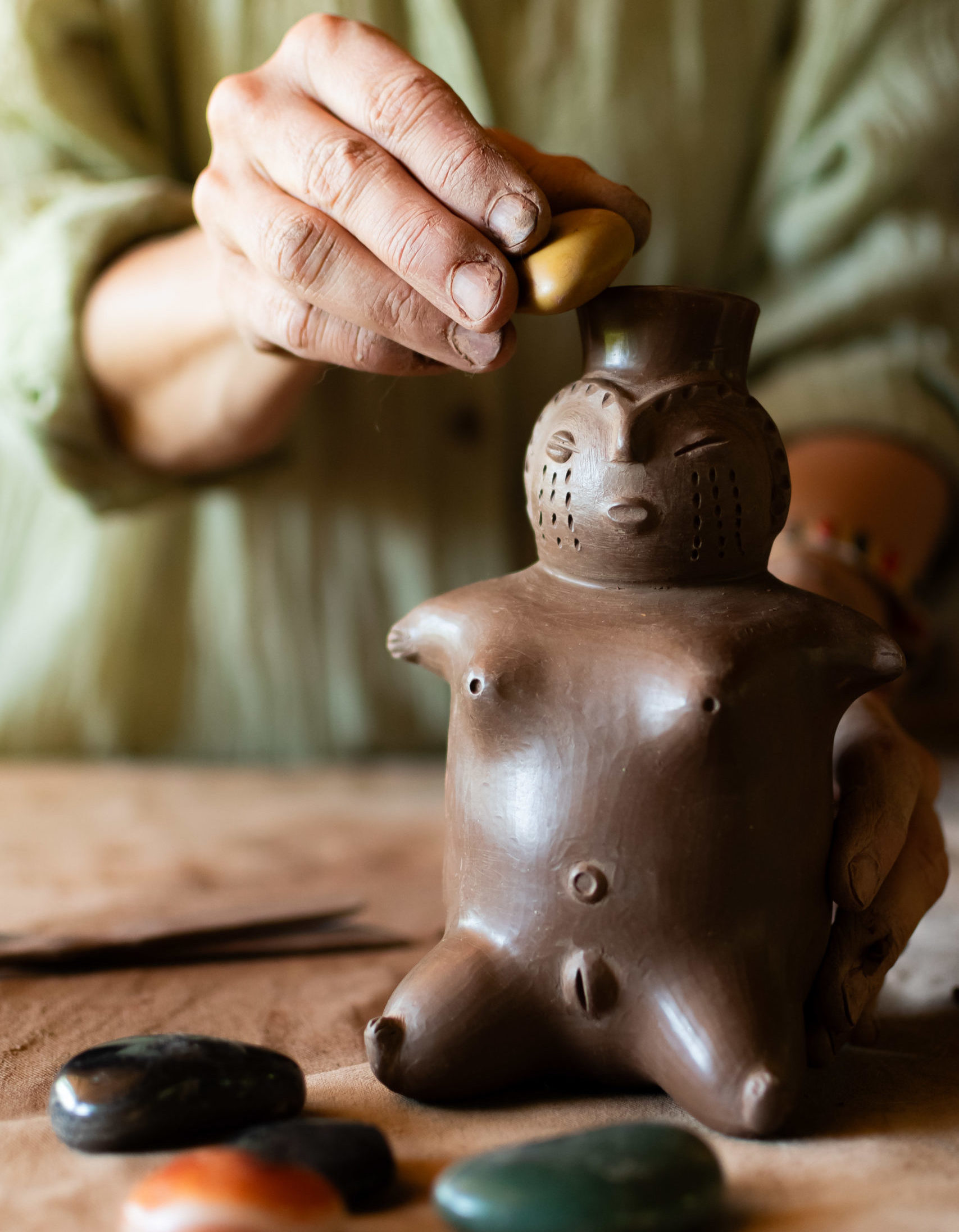
Karina Garrett(Argentina) CHRONOLOGY OF CLAY Title: “Sacred Vessels” The proposal is to showcase the author’s 30 years of research, recovery and teaching of ceramic techniques originating in South America. The video illustrates how a pot is made using techniques that are 3,000 years old, from the search for raw materials in the landscape to firing with fire. This knowledge, generated from ceramic practice and experimental archaeology, is transmitted in ceramic residencies, talks and workshops at CASA DE YOKAVIL, in north-western Argentina. |
 |
 |
Sin-Ying Ho(United States) TRADITION, CHANGE, NEW TECHNOLOGIES Title: “A Continuing Journey of Jingdezhen Qing Hua and Longquan Celadon” This spotlight presentation delves into the creative journey behind Meteorites – past, present and future, highlighting how Longquan Celadon becomes a vessel for both heritage and innovation. Through a detailed exploration of the making process, I share my encounters with firing techniques and the nuanced transformations they bring to celadon’s iconic glaze. Historical excavations are woven into the narrative, offering archaeological insights that enrich the storytelling and deepen the connection to cultural memory. The presentation will mention a multisensory exhibition, integrating video projection and an original soundtrack, to evoke the cosmic metaphor of the meteorite and the timeless resonance of ceramics shaping story. By fusing ancient craftsmanship with contemporary symbols like binary code and AI, this work challenges temporal and cultural boundaries, inviting viewers to reflect on how tradition evolves and co-creates meaning in the present. It is a celebration of continuity. |
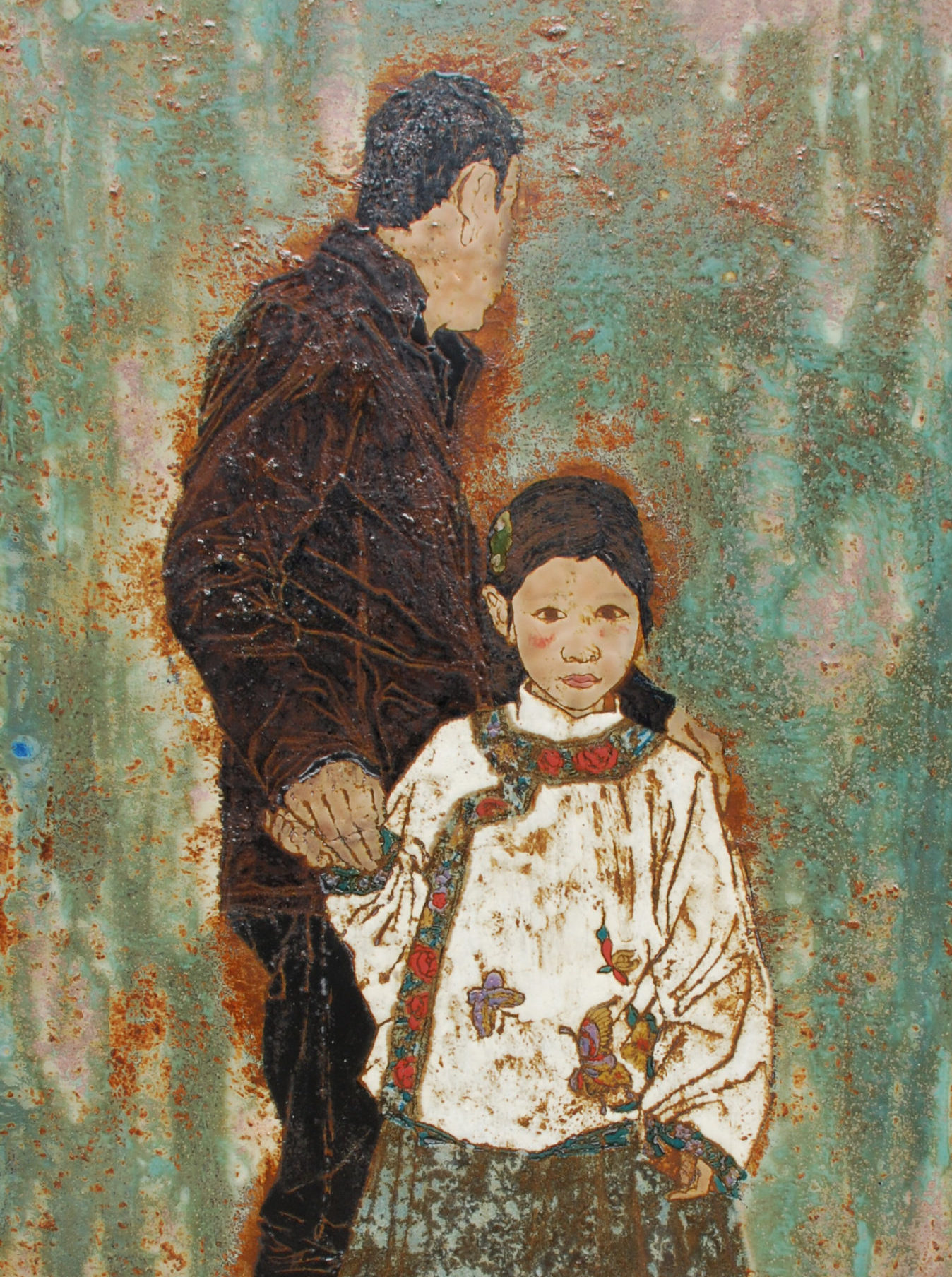
Weihong Huang (PuMu)(China) DIALOGUE WITH FIRE Title: “My Story with High Temperature Color Glaze” My spring began not with a field trip, Numbness spread through my right collarbone and hand. |
|
|
 |
Nurdian Ichsan(Indonesia) CHRONOLOGY OF CLAY Title: “Making: Continuum of Clay – Ceramic” The presentation is based on my curatorial framework for the 4th Jakarta Contemporary Ceramic Biennale in 2016. I then applied the framework to articles published in Ceramic Art and Perception (2019) and the Craft Research journal (2025). The central idea is that ceramic practice is a creative activity deeply connected to the material. I explore how material entangle us through two ideas: clay impulses and ceramic clues. Both concepts interact and affect the artist during the creative process, and they also impact the viewer’s appreciation of the work. Clay impulses are largely based on physical interaction with clay, where forming is a personal understanding that generally involves the making process. Meanwhile, ceramic clues are derived from our daily experience with ceramic objects. The first is related to clay as an experiential material, while the second refers to our understanding of ceramics as cultural objects. In this perspective, clay-ceramic is a continuity. |
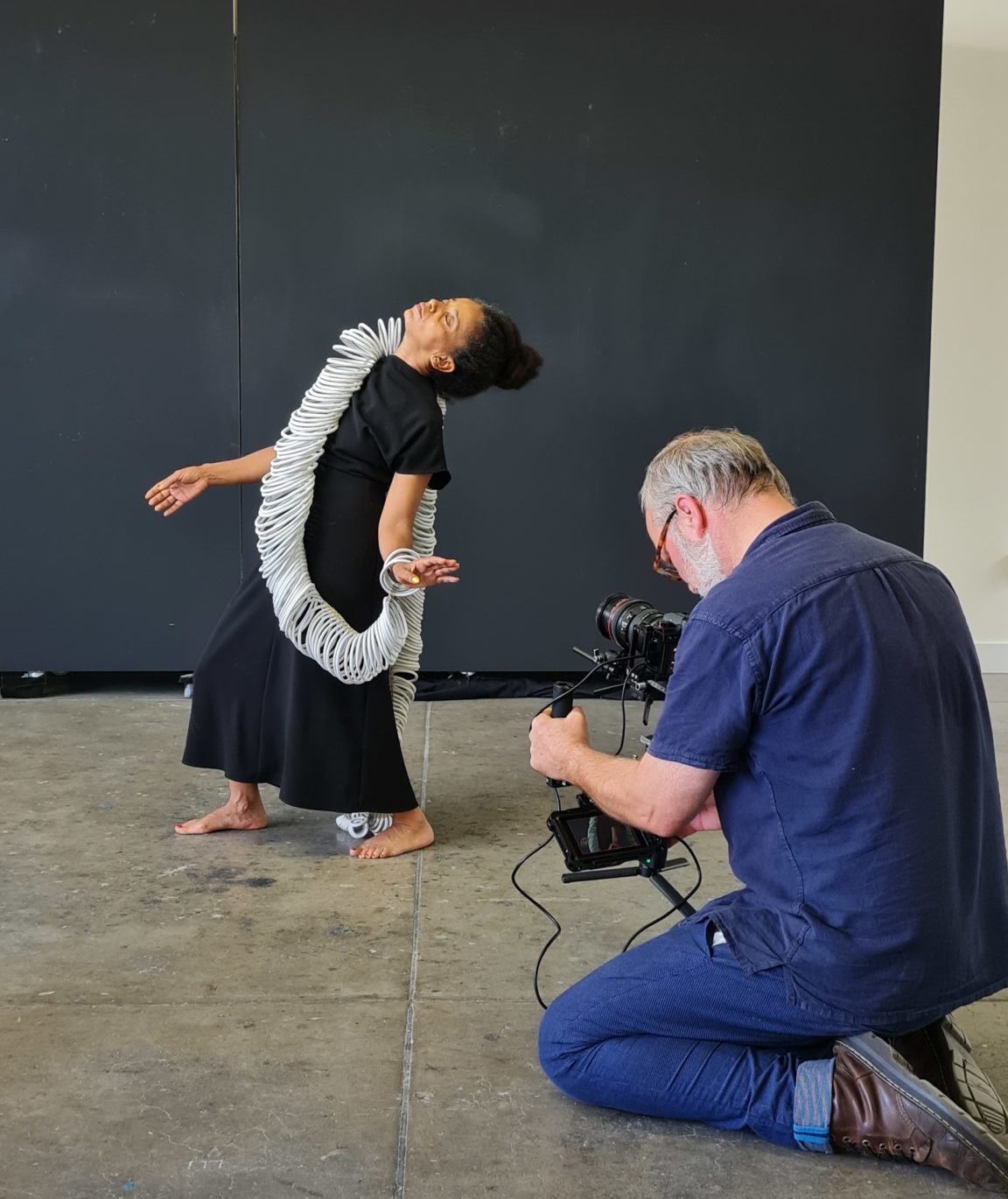
Cecile Kemperink(Netherlands) SHAPE AND STORY Title: “When Ceramic Meets Dance” This project explores the dialogue between sculpture, dance, choreography, and video art. It is an encounter between movement and material—where different disciplines inspire each other and merge into new rhythms and forms. How do a dancer, choreographer, and video artist interact with a ceramic sculpture? How does movement arise from form, and how does form respond to movement? |
|
|
Bernard Kerr(Australia) SHAPE AND STORY Title: “Ceramic Works 1999-2025” My current work investigates the relationships between objects and images and relates to how ceramics are perceived and operate within culture. I refer to the conventions and histories of painting and sculpture in the ceramic medium. I am interested in the ideas related to formless or partially formed but indeterminate ceramic objects reference the potentiality that underlies physical substances and from which things are created or emerge. These philosophical and alchemical concepts posit a fundamental substrate of existence that lacks inherent properties, requiring a “form” or active principle to become actual and give rise to specific, distinguishable objects or things. Increasingly I am drawn to amorphous forms and glimpses of possible interpretations linked to the body or half recognized objects at the edge of perception; at the point of realization or meaning and categorization. |
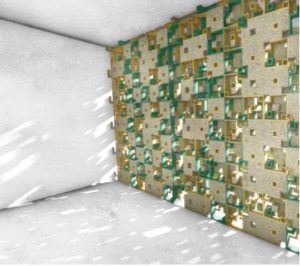
Jason Lim(Singapore) SHAPE AND STORY Title: “Hard work and work smart” Tintinnabulation is a series of hand-formed ceramic bells that explore the elemental dialogue between sound, silence, and the unseen. The work draws inspiration from the bronze bells of the Shang dynasty — instruments once used to summon spirits and mark ritual time — and from oracle-bone script, the earliest written language in China. Each bell bears three-dimensional inscriptions of ancient characters — wood, water, fire, mountain, earth, heart, sun, and moon — embodying the forces through which matter becomes voice. Accompanied by a sound composition made from recordings of the bells I created, the work evokes the tenderness of love that cannot be returned — the ache of resonance seeking its echo. Through the interplay of clay, vibration, and air, Tintinnabulation becomes a meditation on impermanence: a moment where sound becomes memory, and silence transforms into the breath between earth and sky. |
 |
 |
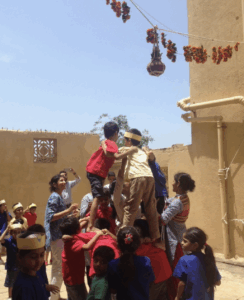
Shayonti Salvi(India) TRADITION, CHANGE, NEW TECHNOLOGIES Title: “Soft Matter, Strong Minds: A Clay-Built Institution” An environmentally ‘un-friendly’ building, set in the heart of Mumbai city, with an enclosed glass facade reflecting all the other concrete surrounding it – this describes the existing building chosen for the Waldorf institution. We made traditional presentations in watercolour paintings, in keeping with the entire ‘locally-handmade’ sentiment, that forms any truly sustainable venture. Employing and training local contractors to get the desired finish with the earth materials we needed. Every student in the school has helped build their space. The school included ‘sustainable architecture’ as part of the children’s curriculum over the two years it took to finish this phase of work. Wattle and Daub bamboo framework finished in raw clay with structural additives, lime plaster, in-situ IPS flooring, terracotta floor tiles, second hand wood, doors and windows. I present this story. |
Thomas Schmidt(United States) TRADITION, CHANGE, NEW TECHNOLOGIES Title: “Digital Materialities – Bridging Technology and Tradition in Contemporary Ceramics” This presentation will highlight how digital tools—3D modeling, scanning, and printing—transform both my artistic practice and pedagogy. Tracing my career from the Alfred/CAFA Ceramic Design for Industry program in Beijing to my current role at UNC Charlotte, I’ll discuss how emerging technologies enable new forms of material inquiry and collaboration. Through projects in algorithmic clay printing and bio-hybrid research combining ceramics and mycelium, I explore how digital processes can interface with natural growth systems, expanding the possibilities of craft and design. In the classroom, these tools empower students to merge traditional making with computational methods, fostering an understanding of technology as an extension of the hand rather than a replacement for it. Together, these experiences reflect an evolving dialogue between material intelligence, digital fabrication, and sustainable, experimental practices in contemporary ceramics. |
 |
 |
Hitomi & Takuro Shibata(United States) CHRONOLOGY OF CLAY Title: “Clay and Place: Our Journey from Shigaraki to Seagrove” Scientific research in ceramic art is often overlooked due to the limitations of time, energy, and space. For over three decades, Takuro Shibata and I have been devoted to experimenting with wild clays and wood firing techniques in both Shigaraki—one of Japan’s oldest pottery villages—and Seagrove, North Carolina, the largest pottery community in the United States. Historically, potters around the world relied on local resources, personally digging, sieving, processing, drying, and wedging clay for their work. Today, however, a significant disconnect exists between contemporary pottery studios and the ceramic materials industry. Our ongoing exploration of clay has gained wide recognition, and our book Wild Clay has been met with great success. Through our research and experiment, we aim to inspire and empower potters worldwide to engage with natural, local materials—fostering creative independence and reducing reliance on large corporations and industrial suppliers. |
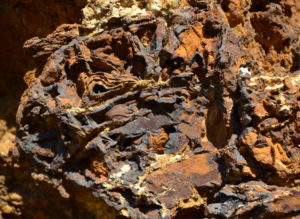
Giorgos Vavatsis(Greece) CHRONOLOGY OF CLAY Title: “Mineral Diaries” I propose a combination of video and photos of works, where video will show the process of choosing the landscape, collecting the rocks,minerals and clays, and the working methods I mostly use on transforming them into a ceramic form, and photos will end the presentation in a gallery show form. There will be no words or speeking, only sounds. |
 |
|
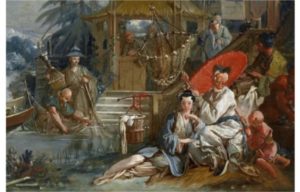
Zhaojing Wang(China) SHAPE AND STORY Title: “The Chinese as imagined by Europeans: The Misinterpretation of China from the ‘Porcelain Room'” This study examines how European courts and elite circles perceived, constructed, and misread the image of ‘China’ against the backdrop of the Age of Exploration during the 17th and 18th centuries. The porcelain cabinet, as a highly ritualised space centred on porcelain, ceramic reliefs, and ‘Chinese-style’ ornamentation, emerged as one of the most captivating cultural phenomena of the period. |
|


注册费用及条款
2026年IAC国际陶艺大会注册通道现已开放注册!
(read more...)大会日程
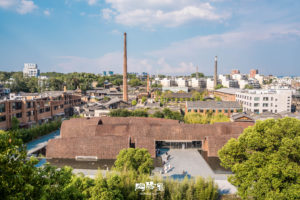
本届大会将推出为期六天的丰富议程,聚焦陶瓷艺术,探索景德镇的独特魅力。
(read more...)Congress Exhibitions
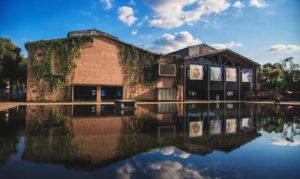
The 2026 Congress featured various IAC members' exhibitions alongside the conferences.
(read more...)Congress Satellite Exhibitions
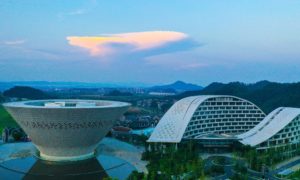
In addition to several IAC Members' Exhibition, the hosts are pleased to present a number of regional and thematic group exhibitions.
(read more...)会前和会后旅行行程
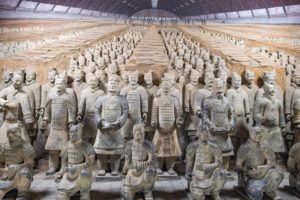
Details on the six Pre- and Post-Congress Tours.
(read more...)